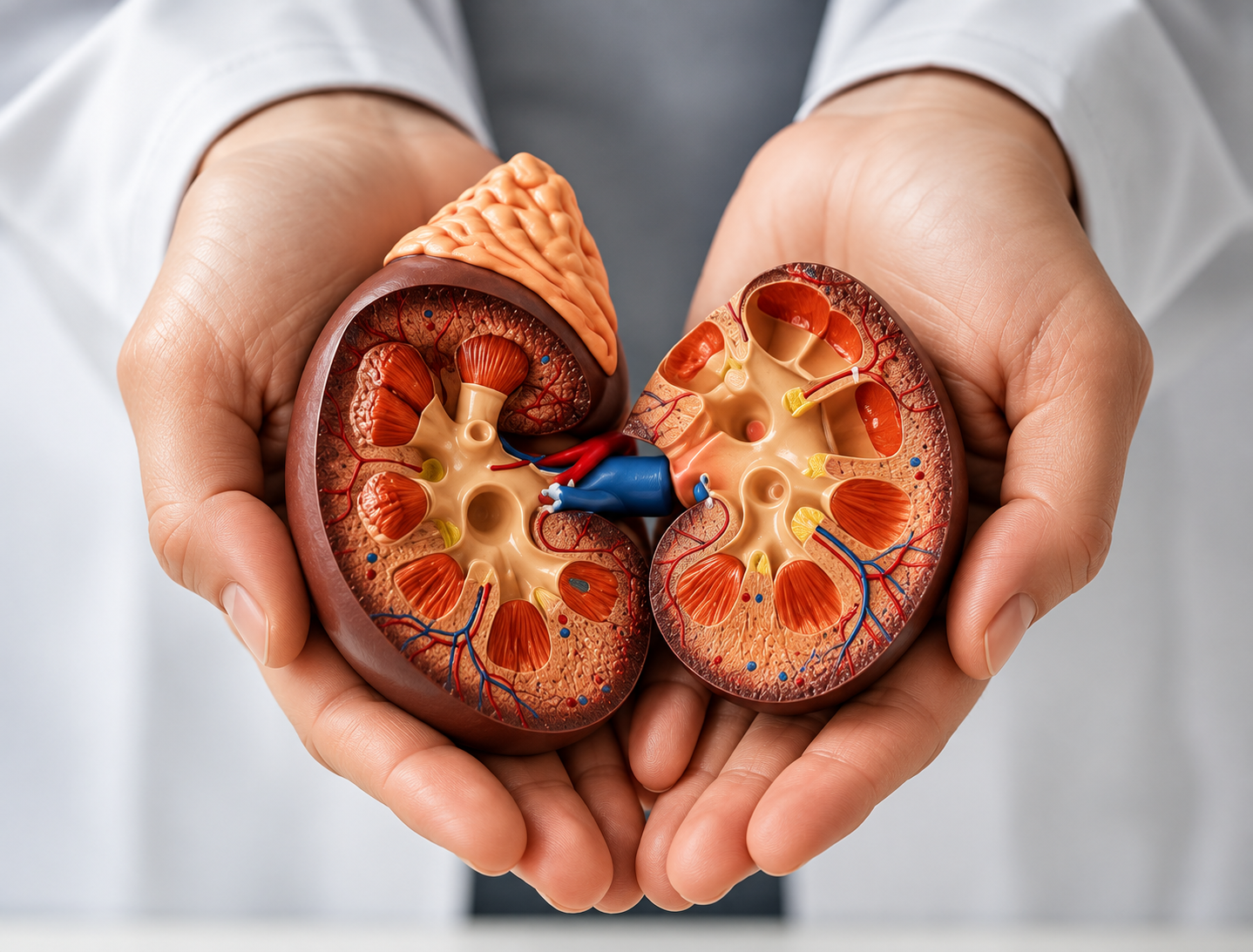
The kidneys are among the body's most important organs. They help filter waste products from the blood, regulate fluids and electrolytes, and contribute to maintaining overall balance within the body.
Kidney problems can sometimes develop gradually without producing obvious symptoms. This is why timely medical evaluation can be particularly important for people who have risk factors such as diabetes, high blood pressure, or a family history of kidney disease.
If you are searching for the best kidney expert in Ahmedabad, understanding the role of a nephrologist and choosing an experienced kidney specialist can help you make a more informed healthcare decision.
Dr. Jagdeep Shah – Kidney Specialist in Ahmedabad
Dr. Jagdeep Shah is a nephrologist associated with kidney care in Ahmedabad. Public medical information lists him as a nephrologist with a DM in Nephrology and extensive professional experience.
He is publicly associated with the Gujarat Kidney Foundation in Paldi, Ahmedabad. Patients looking for specialised nephrology care may consider his professional profile when exploring kidney-care options in the city.
The right kidney specialist can evaluate a patient's symptoms, medical history, laboratory reports and kidney function before recommending an appropriate treatment or monitoring plan.
Why Choose a Kidney Specialist?
Kidney health is closely connected with several other areas of health, including blood pressure, diabetes, fluid balance and cardiovascular health.
A nephrologist has specialised medical training to evaluate kidney-related problems and determine whether a patient needs medication, monitoring, additional testing, dialysis-related care or referral for another specialist service.
Kidney Conditions a Nephrologist May Manage
Chronic Kidney Disease
Chronic kidney disease can develop over time. Early stages may not always cause noticeable symptoms, making appropriate testing and monitoring important for people who are at higher risk.
High Blood Pressure and Kidney Health
High blood pressure and kidney disease can influence each other. Proper medical evaluation can help determine the underlying cause and appropriate management.
Protein or Blood in Urine
Changes in urine tests, including protein or blood in the urine, may require further medical assessment to understand the underlying cause.
Reduced Kidney Function
Abnormal kidney function tests may require additional evaluation. A nephrologist can assess the patient's results together with their medical history and other clinical factors.
Dialysis Care
Patients with advanced kidney disease may require dialysis. Nephrologists play an important role in evaluating kidney function and managing patients who require renal replacement therapy.
Importance of Regular Kidney Check-Ups
Kidney disease does not always produce clear warning signs during its early stages. People with diabetes, hypertension, cardiovascular disease or a family history of kidney disease may have a higher risk of developing kidney problems.
Regular medical check-ups and appropriate blood or urine tests can help identify abnormalities that may otherwise go unnoticed.
When Should You Consult a Nephrologist?
Your doctor may recommend consultation with a nephrologist when kidney function tests are abnormal or when symptoms or medical conditions suggest a kidney-related problem.
Specialist evaluation may be appropriate for concerns such as: