Blood Pressure and Kidney Health
Blood pressure and kidney health are closely connected. High blood pressure can gradually damage the kidneys, while kidney problems can also contribute to an increase in blood pressure. Understanding this connection is important for protecting kidney function and maintaining overall health.
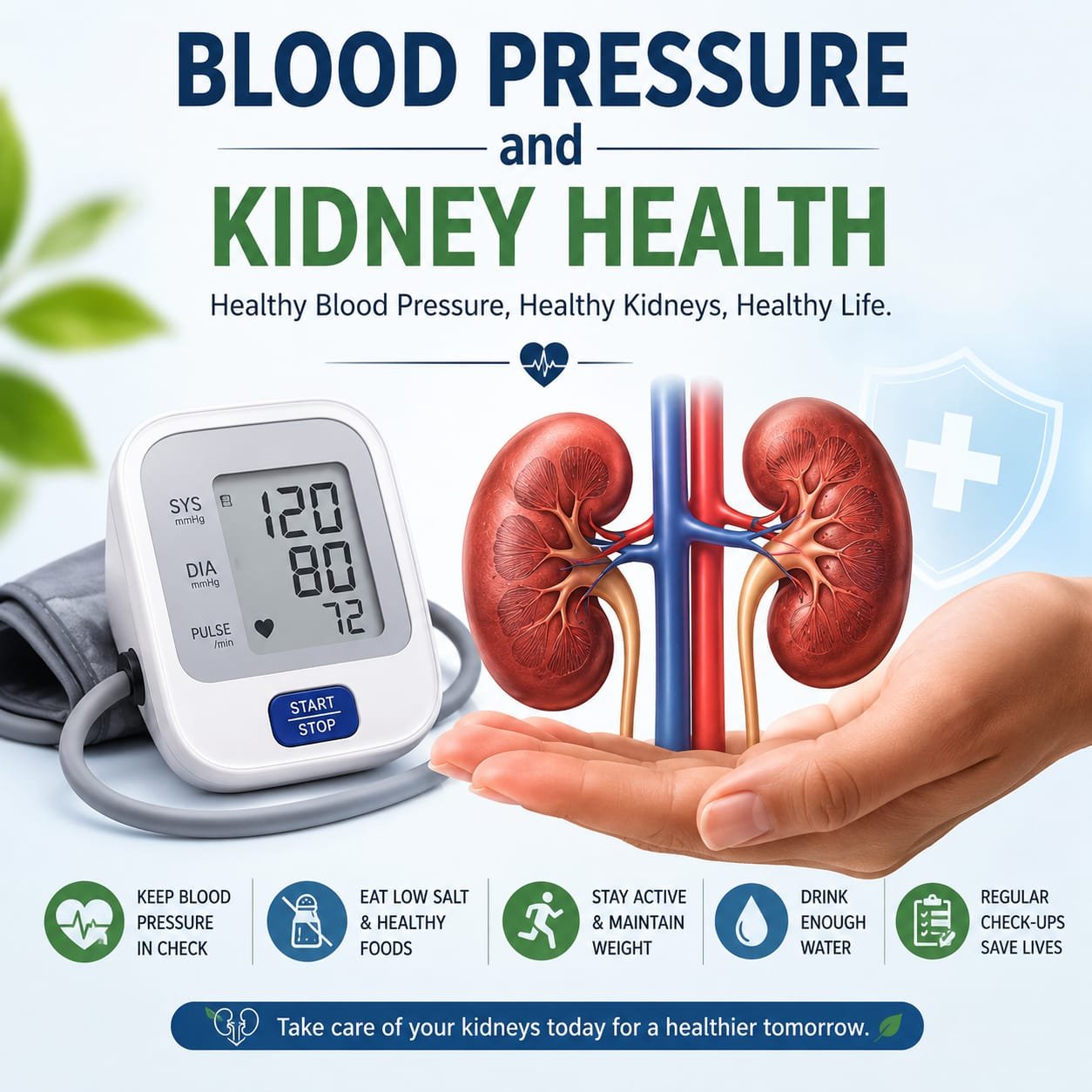
How Are Blood Pressure and Kidneys Connected?
The kidneys play an important role in controlling blood pressure by regulating the amount of fluid and sodium in the body. They also help produce hormones that influence blood pressure. When the kidneys are damaged, their ability to regulate these functions may be affected, which can lead to high blood pressure.
At the same time, consistently high blood pressure can damage the small blood vessels inside the kidneys. Over time, this damage may reduce the kidneys' ability to filter waste and excess fluid from the blood.
How High Blood Pressure Can Affect the Kidneys
High blood pressure can place continuous stress on the blood vessels within the kidneys. If blood pressure remains uncontrolled for a long period, the blood vessels may become damaged and the filtering units of the kidneys may gradually lose their efficiency.
Warning Signs to Pay Attention To
High blood pressure often does not cause noticeable symptoms, which is why it is sometimes called a "silent" condition. Kidney problems can also develop gradually. Some possible warning signs include:
- Swelling around the feet, ankles, or face
- Changes in urination
- Unusual tiredness or weakness
- Persistent headaches associated with high blood pressure
- Shortness of breath or fluid retention
- Changes in appetite or nausea in advanced kidney problems
These symptoms can have many possible causes. Anyone experiencing persistent or concerning symptoms should consult a qualified healthcare professional.
Ways to Protect Your Blood Pressure and Kidney Health
1. Monitor Your Blood Pressure
Regular blood pressure checks can help identify high blood pressure early. People with hypertension should follow their healthcare professional's advice regarding monitoring and treatment.
2. Follow a Kidney-Friendly Diet
Limiting excessive salt intake and maintaining a balanced diet can support healthy blood pressure and overall kidney health. Dietary needs may vary depending on an individual's kidney function and medical condition.
3. Stay Physically Active
Regular physical activity can support cardiovascular health and help maintain a healthy blood pressure level. Choose activities that are appropriate for your age and health condition.
4. Take Prescribed Medicines Properly
If medication has been prescribed for high blood pressure or kidney disease, it is important to take it as directed. Do not stop or change medication without discussing it with your healthcare professional.
5. Get Regular Kidney Checkups
Blood and urine tests can help healthcare professionals assess kidney function and identify possible kidney problems at an early stage. Regular checkups are particularly important for people with high blood pressure or other kidney disease risk factors.
Why Regular Monitoring Matters
Blood pressure management and kidney health should be considered together. Keeping blood pressure within the recommended range can help reduce the risk of kidney damage, while monitoring kidney function can help identify problems that may affect blood pressure.
Regular checkups, healthy lifestyle habits, appropriate treatment, and early medical attention can all play an important role in maintaining kidney health.